
Your Guide to Hiring a Vermont Birth Doula
with insight from seasoned professionals, all part of Vermont Birth Network
Pregnancy often comes with a mix of excitement and uncertainty about labor. The thrill of holding your baby for the first time, and nerves about the process of getting there. What will it feel like? How will you know what to do? What if things don’t go as planned?
Many Vermont families begin searching for a birth doula after hearing that doulas can lower intervention rates or improve birth experiences, but still aren’t exactly sure what a birth doula does or whether hiring one is worth it.
This guide will walk you through what birth doulas do, how they support families during pregnancy and labor, and how to choose the right fit.

A birth doula can help you feel safe, supported and empowered during labor. photo credit: Heather Gallagher
What Is a Birth Doula and What Do They Do?
A birth doula is a trained professional who provides continuous physical, emotional, and informational support before, during, and shortly after childbirth.
Doulas are non-medical providers. They do not replace your midwife or obstetrician. Instead, they complement clinical care by focusing entirely on your experience.
Heather LeFoll explains that many families underestimate how much support begins long before labor starts. “Long before the big day, we’re right there with you—getting to know your biggest dreams for this birth, and holding space for those ‘middle of the night’ fears, too.”
Emily Piazzaechoes this, emphasizing that help families feel prepared ahead of time — understanding provider recommendations, clarifying values, preparing for hospital dynamics, and discussing the emotional and physical realities of birth and early postpartum.
“We can’t promise a certain outcome,” Emily explains, “but we can be a constant presence through both the fun and the challenging parts.
How a Birth Doula Supports You During Labor
Unlike nurses or doctors who may rotate shifts or care for multiple patients, a birth doula remains focused on you throughout labor. “We’re your constant anchor,” says Heather.
Support can look like:
Suggesting position changes
Applying counter-pressure
Guiding breathing techniques
Creating a calm environment
Reminding you to eat, hydrate, and rest
Helping you pause and ask questions when decisions arise
Involving your partner, spouse, or any family members in meaningful ways
If birth doesn’t go according to plan — during an induction, cesarean, or unexpected change — doula support often becomes even more important.
Heather describes these moments as when a doula becomes “most vital,” helping families decode medical language and slow down decision-making when possible.
Emily adds that she makes sure families feel good about the conversations they’re having with providers. She helps create space to grieve changes in plans, validate emotions, and move forward with clarity.
Doulas support birthing people unconditionally and as things change and evolve.
Supporting Your Rights During Birth
Meghan Bello highlights another layer of doula support that families may not realize.
“We don’t just offer comfort to make labor easier,” she explains. “We support your rights — your right to make decisions about your body, your right to informed consent and informed refusal, your right to ask questions and change your mind, and your right to receive respectful care.”
Birth is not only physical. It is deeply personal.
Having someone in the room who centers your autonomy can profoundly shape how you experience the day — regardless of outcome.
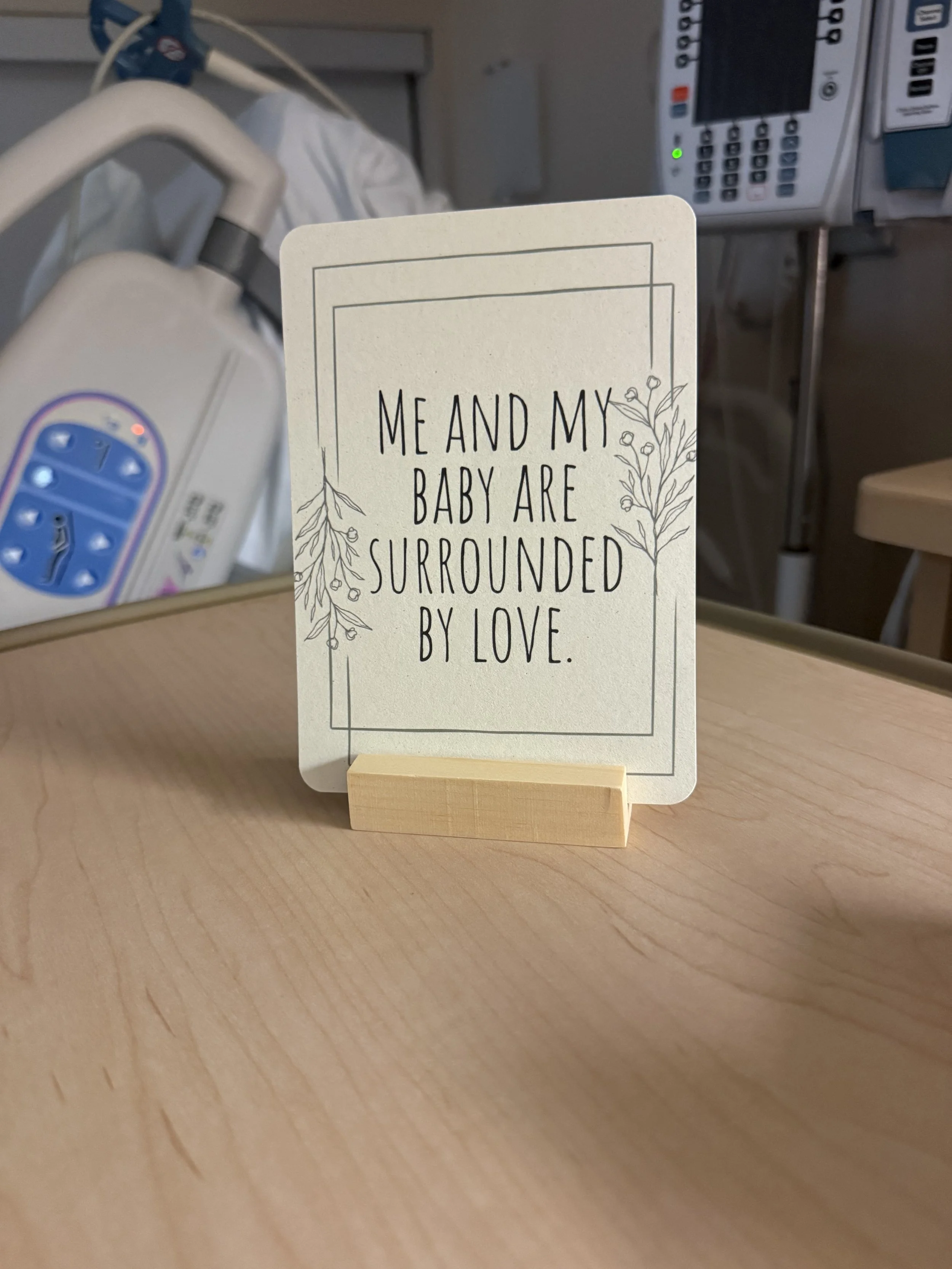
A doula can help create a calm, cozy, vibe in the space you are laboring in. Ask a doula what’s in their doula bag and you’ll be surprised and impressed with all the things they can pack!
Frequently Asked Questions about Vermont Birth Doulas
How Do Doulas Support Partners?
A common misconception is that hiring a doula replaces a partner. In reality, doulas often strengthen partner confidence.
Emily calls this “one of the best reasons to have a doula.” Partners don’t have to worry about managing their own needs while supporting the birthing person. The doula and partner can trade off breaks, meals, and rest.
Heather helps partners find their “sweet spot” in labor — whether that’s emotional encouragement, physical comfort, or quiet presence — so they never have to wonder what they should be doing.
Many families are surprised by how long a doula stays during labor. As Emily notes, clients are often deeply grateful to have a constant presence even as medical staff shifts change.
Who Benefits Most From a Birth Doula?
All three doulas agree: almost everyone can benefit.
Emily explains that doula support looks different for each person. Sometimes a doula is a quiet presence; other times they are a cheerleader or a calm guide for self-advocacy.
Meghan notes that parents who feel respected, listened to, and involved in decisions tend to feel better about their birth experience afterward — even if birth unfolds differently than planned.
What If You’re Navigating Fertility Treatment?
This is another part of the pregnancy journey where doula support is valuable. Meghan also supports families undergoing fertility treatment.
For those building their family with medical assistance, donors, or surrogates, the process can feel fragmented and overwhelming. A fertility doula can provide steady presence at appointments, help navigate medical and legal systems, coach through procedures and hormone injections, and act as a project manager when logistics feel unmanageable.
“Support during fertility treatment can help you feel more prepared, confident, and ready to advocate for yourself,” she explains.
Is Hiring a Birth Doula Worth It?
While a birth doula cannot guarantee a specific outcome, many parents report that continuous support, clear communication, and feeling emotionally steady during labor significantly shape how they remember their birth. That confidence carries into parenthood, making the transition easier and more positive.
How Much Does a Birth Doula Cost in Vermont?
The cost of hiring a birth doula in Vermont typically ranges between $800 and $2,500, depending on experience and services included.
Many doulas offer payment plans or sliding scale options. Some families use FSA or HSA funds. Certain insurance plans may offer reimbursement. It is worth it to talk to doulas and your insurance company to see what your options for paying for a doula. You can also include doula support on a baby shower registry. Having folks contribute funds to go towards a doula is a great gift.
Because birth doulas often book months in advance, many families begin reaching out in the second trimester — or earlier — to secure availability.
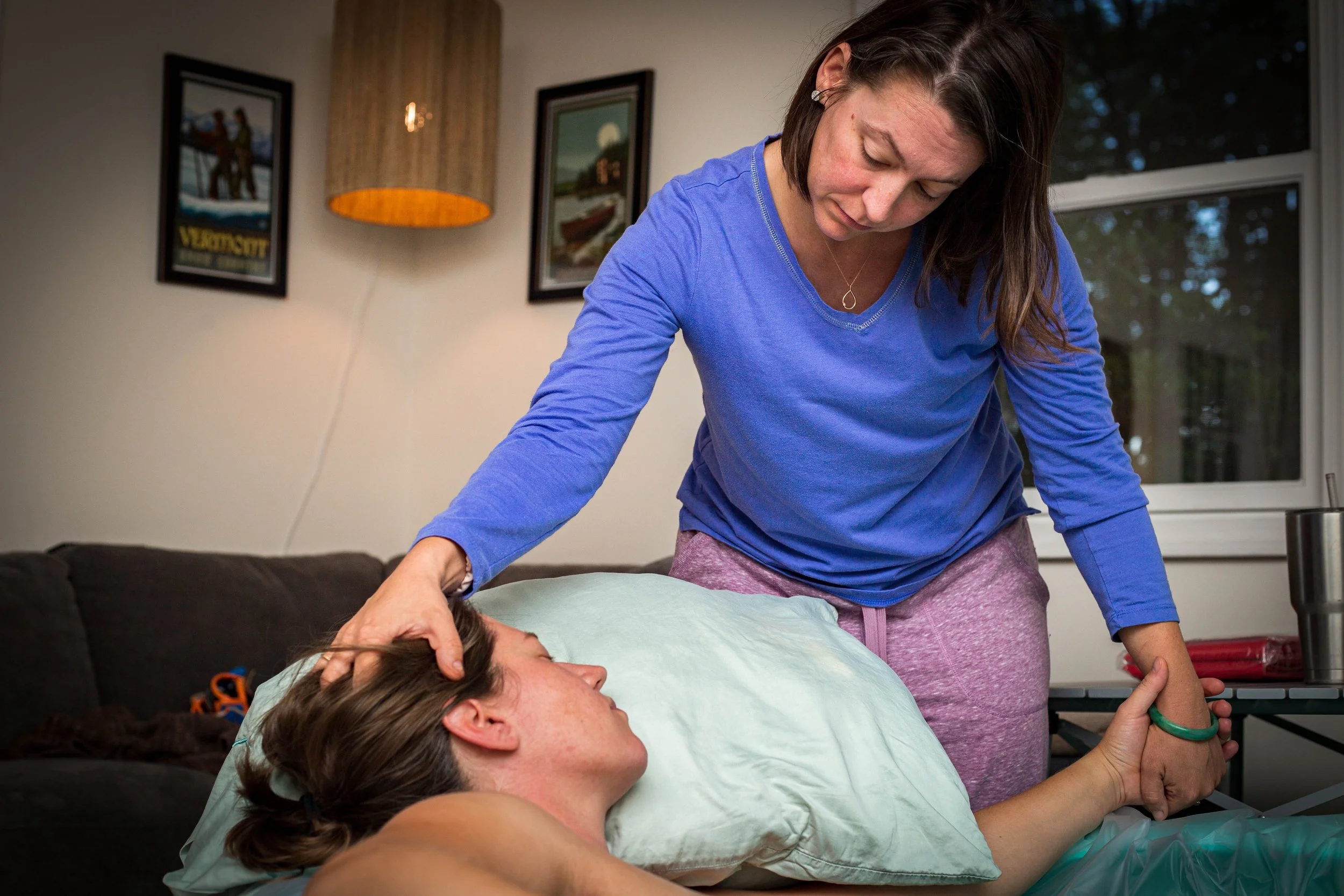
A birth doula provides continuous emotional and physical support during labor and birth, adjusting to the needs of the birthing person.
A Birth Doula Can Help Make Birth a More Empowering Experience
Heather shares that her hope is for every birthing person to walk away feeling “empowered and transformed.”
Emily hopes families feel seen, valued, respected, beautiful, and powerful.
Meghan emphasizes that when people feel respected and involved in decisions, they tend to carry that strength into early parenthood.
While doula can’t control how birth unfolds, they can influence how supported and respected you feel within it. And that support can make a world of difference.
Finding a Birth Doula in Vermont
If you’re exploring whether a birth doula is right for you, you can browse Vermont birth doulas in the Vermont Birth Network directory. Parents are encouraged to reach out to a few doulas to find the right fit for them.
You deserve steady support as you welcome your baby.
