
Choosing a Breast Pump: A Vermont Guide to Insurance, Pump Types, and Lactation Support
With insight from VBN member, Lisa Kerns, BS, IBCLC, RLC who has a private practice, Promise Lactation and co-owns Lactation Resources of Vermont.
If you’re planning to breast/chestfeed or pump breast/human milk, chances are you’ve already discovered that choosing a pump can feel… surprisingly complicated.
There are primary pumps, portable pumps, wearable pumps, insurance-covered pumps, pumps with upgrades, pumps with lots of little parts—and then there’s the question of how exactly you’re supposed to know which one will work best for you.
The good news? You don’t have to figure it all out on your own.
We talked with Lisa Kerns, BS, IBCLC, RLC, co-owner of Lactation Resources of VT, to get some practical advice about choosing a breast pump, using your insurance benefit, caring for pump parts, and knowing when it’s worth asking for help.
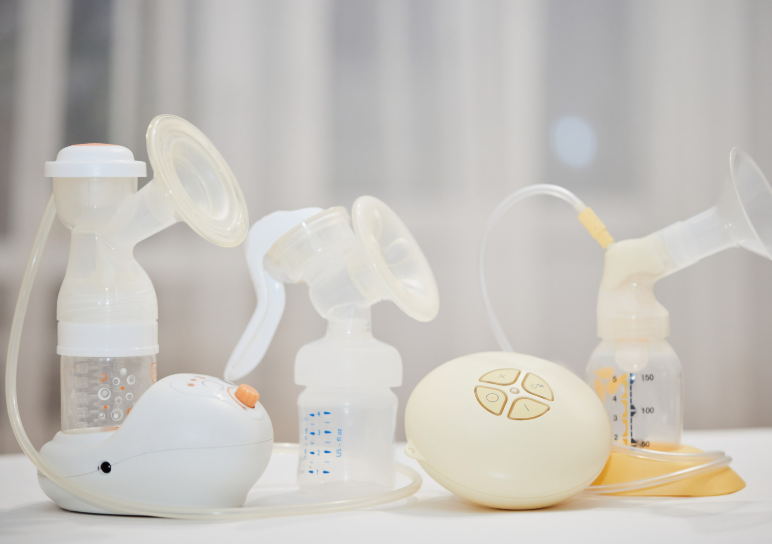
A lactation professional can help you pick the best pump for YOU.
Start by thinking about how you’ll actually use your pump
Before getting caught up in brands and features, Lisa recommends starting with a more basic question: Do you have a primary pump yet?
“Primary pumps are the strongest, most efficient pumps that can protect your milk supply if you are separated from your baby,” Lisa explains. They are typically the more expensive pumps, which makes them a great place to use your insurance benefit.
A primary pump may be especially important if you anticipate regularly pumping because you’ll be away from your baby, returning to work, experiencing a separation after birth, or needing to establish or maintain your milk supply.
But that doesn't necessarily mean a primary pump is the only pump you’ll ever want.
Think about where and when you expect to pump. Will you have access to an electrical outlet? Will you have a comfortable place to sit? Will you need to pump in the car, at work, while traveling, or while caring for an older child? Will storing and transporting pumped milk be a challenge?
If your pumping circumstances are less predictable, a portable or wearable pump may be worth considering.
There’s another important piece to this puzzle, too: your body.
“Breast size and shape can affect whether a wearable pump can work well,” Lisa says. A pump that works beautifully for one person may not be the right fit for someone else. This is one reason connecting with a lactation professional can be so helpful when you're trying to make a decision.
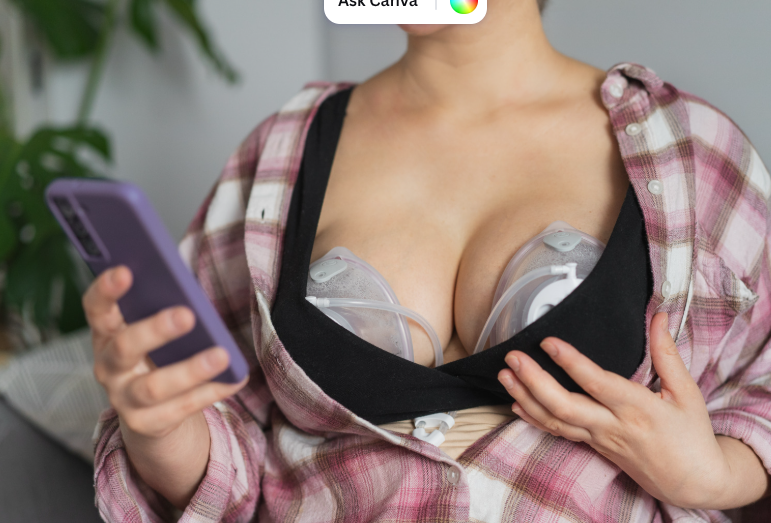
Wearable pumps are nice option for convenience, but typically do not replace a primary pump.
When should you order your breast pump?
You can absolutely start researching pumps early in pregnancy. In fact, Lisa says, “It’s never too early to do your research and planning.”
But you may want to wait before actually having the pump delivered.
Why? The warranty.
A quality pump may come with a two-year warranty, but that warranty generally begins on the day you receive the pump—not when your baby is born.
Lisa recommends planning to receive your pump around 32 weeks of pregnancy. That gives you plenty of time to make sure you have what you need before your baby arrives while preserving most of your warranty coverage for when you’re actually using the pump.
And of course, if you have a reason you might need to pump earlier in pregnancy or immediately after birth, talk with your healthcare or lactation professional about your individual situation.
Will insurance cover a breast pump?
For most families, the answer is yes.
“Almost all families can receive a breast pump covered by their insurance,” Lisa says. There can be exceptions and some situations where coverage gets complicated, but you may have more options than you realize.
One of the most common ways to use your insurance benefit is through a DME, or Durable Medical Equipment, company. When you go through a DME provider, you’ll typically see a selection of pumps covered by your specific insurance plan. There may also be more expensive pumps available for an additional upgrade fee.
This is where having someone help you navigate your options can be incredibly valuable.
At Lactation Resources of VT, Lisa says they aim to offer a generous selection of pumps that are fully covered, while also offering a few higher-end models at a premium.
“We can help you navigate these choices too!” she says.
And if insurance coverage gets complicated? Don’t automatically assume you’re out of options. Lisa notes that WIC may be able to help in some situations, and Lactation Resources of VT works with manufacturers who may be able to help families experiencing gaps in coverage.
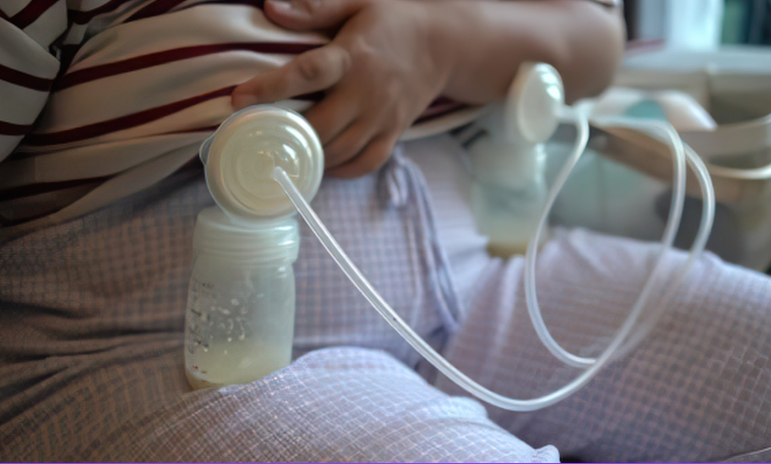
Most people can get a pump covered through their insurance.
Okay, but how do I actually use the thing?
Getting a breast pump is one thing. Knowing what to do with all those parts is another.
Fortunately, you can absolutely get help learning how to use your pump.
“There is an IBCLC in your community who can walk you through the pump set up, how to pump, store your milk, and even bottle feed your breastfed baby,” Lisa says.
A lactation professional can help you understand your specific pump, make sure the settings and fit are working for you, and troubleshoot if something doesn’t feel right.
If you’re more of a “let me watch 14 YouTube videos first” kind of person, Lisa recommends New Little Life and Genuine Lactation for thorough pump testing, evaluations, and demonstrations with relatively little commercial interest.
And if you’re struggling with pumping, experiencing pain, noticing a change in milk output, or simply wondering “Am I doing this right?”—you don’t have to troubleshoot it alone.
How long does a breast pump last?
This is another place where choosing a quality pump can make a difference.
“Pumps have different warranty lengths based on quality of motors and hardware,” Lisa explains. “Pick wisely here, as you don’t want to be rebuying a pump halfway through your breastfeeding journey.”
Some pumps may last through an entire pumping or breastfeeding journey and potentially be used again with another baby.
The pump parts, however, are a different story.
Hard plastic parts like bottles and flanges can last for months, while silicone parts tend to be more fragile and may need to be replaced more frequently. How you wash and care for your parts can also affect how long they last.
Lisa recommends sterilizing or boiling pump parts before their first use and checking the manufacturer's instructions, since some duckbill valves may not perform correctly until they have been boiled.
After that, for a full-term, healthy baby, pump parts and bottles generally don't need to be sterilized between every use. Hot water, soap, and thorough manual scrubbing are typically sufficient.
And be careful with silicone parts and excessive heat. Lisa notes that they can warp or wear out more quickly.
One particularly important little piece is the duckbill valve. When it starts to hang open, the pump may not be able to build adequate suction.
The good news? Many insurance companies cover replacement pump parts every three months at no additional cost. Medicaid coverage can be different, so check your specific benefits. Lactation Resources of Vermont can even set up automatic delivery of replacement parts because, honestly, who remembers to buy replacement parts unless they are broken or missing?
What if I want to use a pump someone else used?
This is one of those areas where recommendations have changed over time.
“Some pump systems include a backflow protector that keeps milk from reaching anywhere near the pump motor and housing,” Lisa explains. That can make sharing certain pumps much safer than it was with older pump designs.
However, the specific pump and where it came from matter.
Lisa generally doesn't recommend picking up a used pump from a yard sale or Craigslist, for example. There’s also the question of how much life is left in the motor.
A pump may look perfectly fine on the outside but have a motor that has already seen a lot of use.
“All disposable parts should be replaced, no matter where you get the pump from,” Lisa says.
And if you’re considering a used pump, a lactation professional may be able to help assess whether it still has adequate suction. Many IBCLCs carry suction testers for this purpose.
Because the last thing you want is to work hard to establish or maintain your milk supply with a pump that has a tired motor.
What about flange fitting?
We could write an entire blog post about this one—and maybe we will!
The size and shape of your breast and nipple can affect which flange size and pump setup works best for you. And the flange that comes in the box with your pump isn't necessarily the right size for your body.
If pumping is painful, your nipple is rubbing against the flange, you're experiencing swelling or damage, or you're simply not getting the output you expect, flange fit is worth looking at.
This is another great reason to connect with an IBCLC or other lactation professional. Sometimes a small adjustment can make a big difference in comfort and pumping effectiveness.
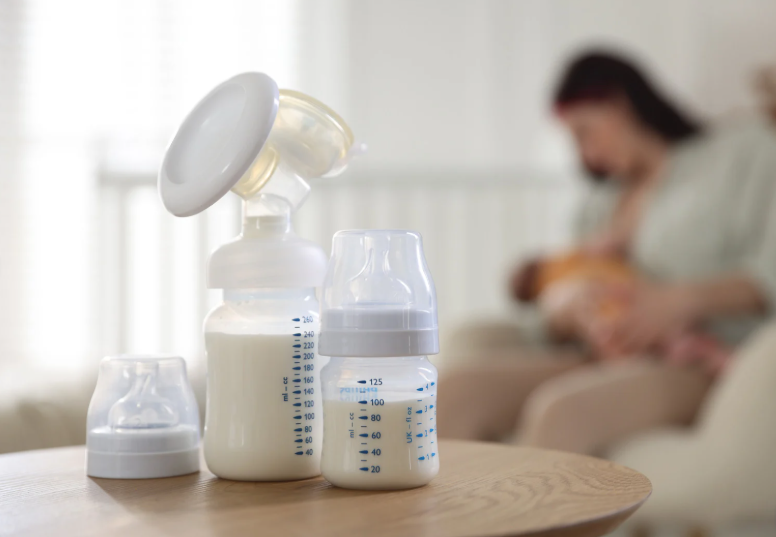
Having a local lactation professional by your side for all things pumping is so valuable.
You don't have to navigate breastfeeding and pumping alone
There is a lot of information out there about breast pumps. And while having options is wonderful, it can also leave new parents wondering whether they're choosing the “right” pump, using it correctly, or somehow missing something important.
There isn't one universally perfect breast pump.
The best pump for you depends on your body, your baby, your feeding goals, your insurance coverage, your work and family circumstances, and how you expect to use it.
And you don't have to figure all of that out by reading reviews at 11 p.m. while trying to compare seventeen different pumps.
Vermont has a wonderful network of lactation professionals who can help you make sense of your options—from choosing a pump and navigating insurance coverage to figuring out flange fit, learning how to use your pump, and troubleshooting when something isn't working quite right.
Looking for a lactation professional in Vermont?
The Vermont Birth Network directory is a great place to start. Our statewide network includes lactation professionals and other perinatal providers who are here to support Vermont families throughout pregnancy, birth, and postpartum.
Find a local lactation professional through the Vermont Birth Network and get the support you deserve.
