
With insight from VBN members and NICU nurse
November is Prematurity Awareness Month, a time to recognize the many families whose babies arrive earlier than expected and the unique journey that can follow.
For some families, a NICU (Neonatal Intensive Care Unit) stay is something they have anticipated and prepared for throughout pregnancy. For others, it comes unexpectedly, turning what they imagined those first days and weeks with their baby would look like into something entirely different.
Premature birth is more common than many people realize. According to the March of Dimes' 2025 Report Card, 10.4% of babies born in the United States in 2024 arrived before 37 weeks of pregnancy—that's approximately 1 in 10 babies.
Here in Vermont, 411 babies were born prematurely in 2024, representing 8.2% of all births, or approximately 1 in 12 babies.
Behind each of those numbers is a family navigating an experience that may look very different from what they imagined.
No matter how much you prepare, having your baby in the NICU brings a challenging dynamic that many parents say they weren't prepared for.
There may be medical equipment, unfamiliar routines, separation from other family members, uncertainty about what comes next, and the emotional weight of watching your baby receive care from a team of medical professionals.
We connected with local experts, including a NICU nurse at UVM Medical Center, a community IBCLC, a postpartum doula, and a personal chef, to talk about what families can expect, how to stay connected with their babies, and ways to care for themselves during this experience.
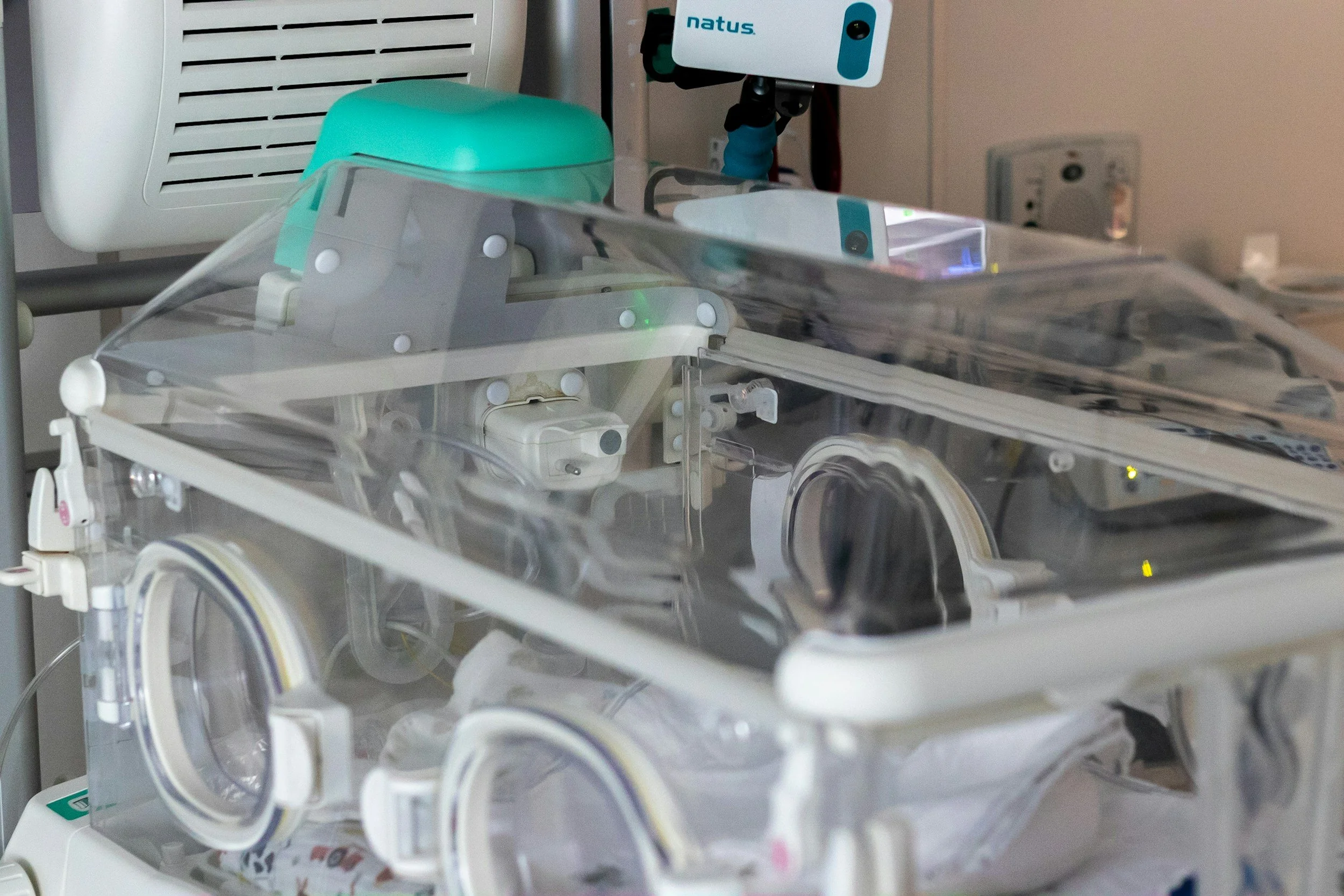
Babies in the NICU spend most of their time and receive care in special cribs called isolettes.
Understanding the NICU Experience
Every baby's NICU journey is different. Depending on their gestational age, medical needs, and reason for admission, babies may require respiratory support, an IV, a feeding tube, or other specialized equipment.
Some babies are ready to be held and fed relatively quickly, while others need time to grow and become stronger before those milestones are possible.
Emily Fujioka, Kids & Family Program Coordinator, Baby and Kids Teacher, and NICU Project Coordinator at GROW Prenatal & Family Center, explains that families entering the NICU can expect a quieter environment with low lighting, bedside loungers, and routines designed around the babies' needs. Parents can also find books to read to their babies, creating opportunities to connect through the sound of their voice.
At UVM Medical Center's NICU, there are no set visiting hours, and families are welcome around the clock. While some units have private rooms, others are organized into open-bay spaces where families share the experience with other NICU parents.
It can feel overwhelming at first, but a sense of camaraderie often develops as families become familiar with the environment and routines.
One important thing to remember? You belong there. As one NICU nurse shared, parents are an essential part of their baby's care team.
Nurses want to empower parents to participate in their baby's care, ask questions, and become increasingly comfortable with the routines and needs of their little one.
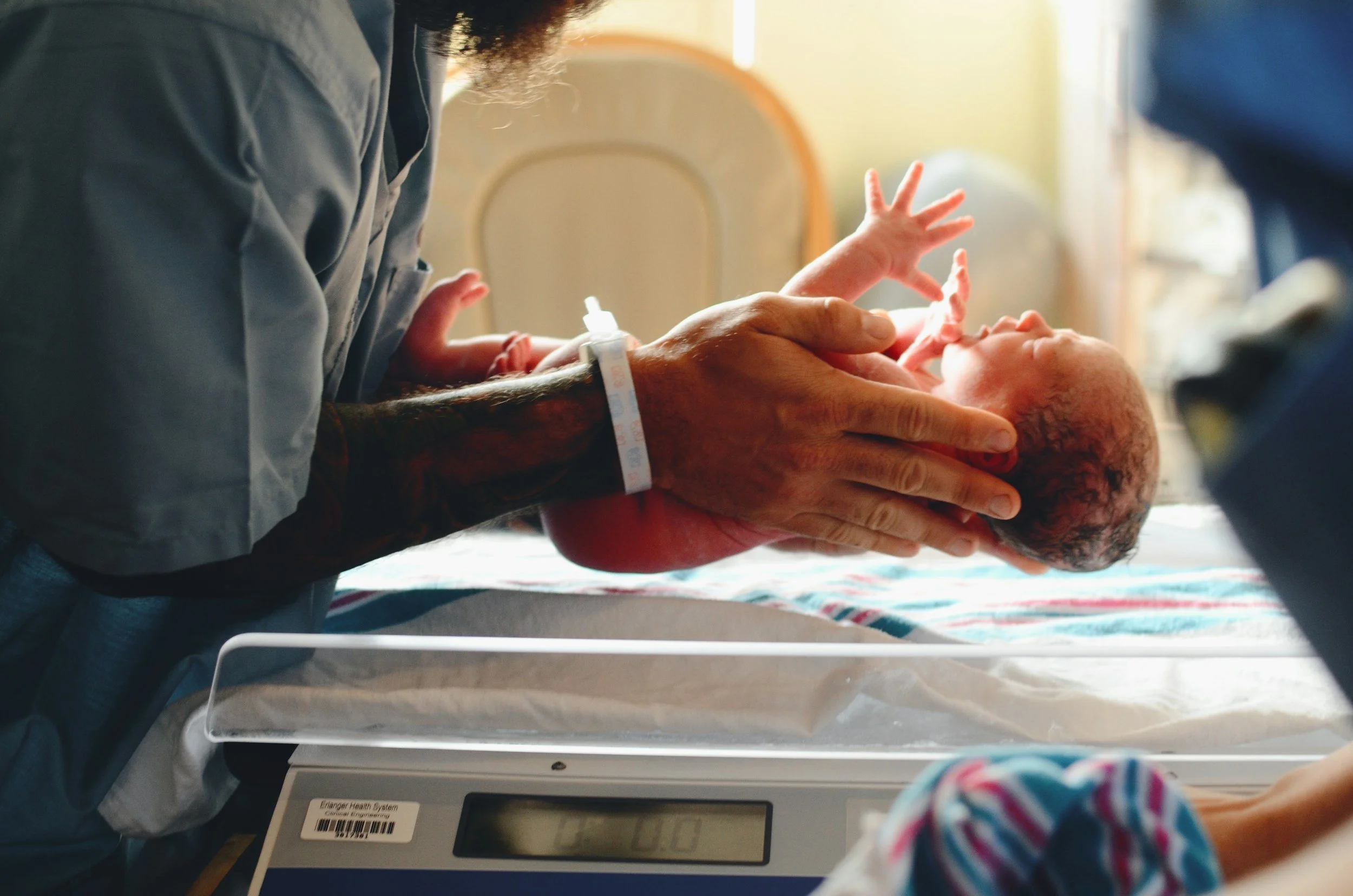
Ask the NICU team how you can help care for your baby. Parents are welcome 24/7.
Staying Connected and Building Your Bond
When your baby is receiving care in the NICU, some of the experiences you imagined, like holding your newborn immediately, feeding at the breast, or bringing your baby home, may look different than expected.
That doesn't mean bonding has to wait.
Depending on your baby's medical needs, there may be opportunities to participate in diaper changes, provide breast/chestmilk, read stories, take photos, or enjoy skin-to-skin contact when your baby is ready. Even small moments can become meaningful parts of your family's story.
Emily encourages parents to start a reading ritual, noting that books are available in the NICU so parents can read aloud and allow their babies to hear their voices.
The NICU nurse also suggests finding ways to celebrate milestones, even the ones that might seem small to others. First bath, first oral feeding, first diaper change, or even that first poop! Take pictures and videos, bring family photos for your baby's bedside, and consider saving tiny diapers or other keepsakes to look back on as your baby grows.
And don't be afraid to ask the nursing team, "How can I help?" Whether it's changing a diaper or learning how to participate in another part of your baby's care, there are often ways to be involved.
Feeding Your NICU Baby: What Parents Should Know
Feeding can be one of the more complicated parts of a NICU stay, particularly for premature and late-preterm babies.
Some babies need time to develop the coordination and strength required to feed orally, while others may be able to begin breastfeeding or bottle-feeding relatively early.
Alice Norris, IBCLC, RN, emphasizes the importance of having support as families navigate feeding and establish a milk supply.
"Establishing support with the hospital lactation team and a lactation consultant who can provide support once you're discharged is invaluable," Alice explains.
For parents who want to provide breastmilk, hospital lactation consultants can offer guidance on hand expression, pumping, milk storage, and establishing a supply.
When medically feasible, early and frequent milk expression can help support milk production. As babies become stronger and more stable, feeding may gradually progress toward the breast.
Alice also reminds families that feeding plans should be individualized and realistic. Working with a community lactation consultant after discharge can help parents adjust pumping schedules, navigate supplementation, and work toward their feeding goals while protecting their own physical and mental health.
It's also important to remember that breastmilk is not the only way to nourish your baby. Donor breastmilk and formula may be part of a baby's feeding plan, depending on their needs and family preferences.
There is no single right way to navigate feeding during a NICU stay.
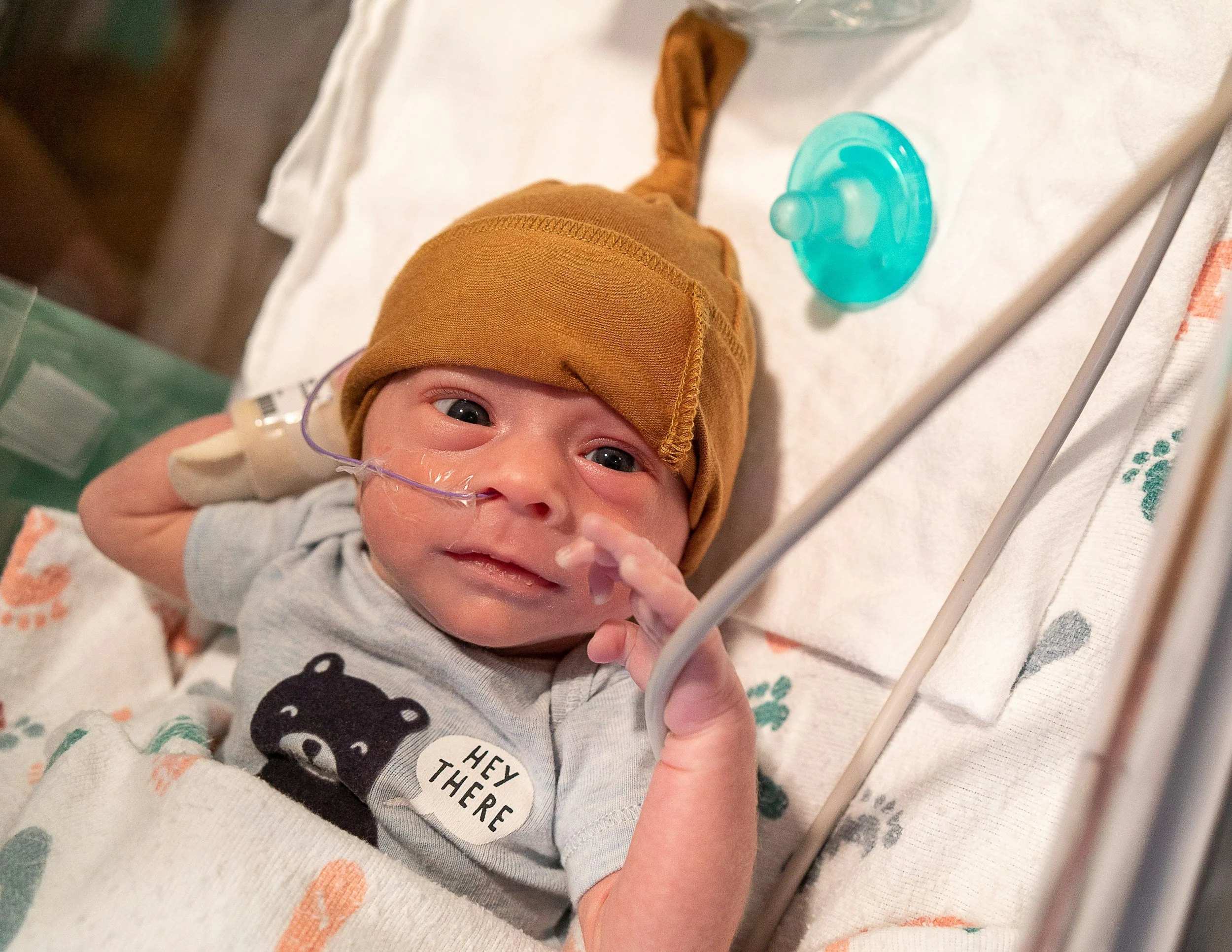
Babies can receive breast milk or formula through a tube that goes through the nose and down into the stomach if they are not able to latch a nipple or bottle to meet all their feeding needs.
Caring for Yourself While Your Baby Is in the Hospital
When your baby is in the NICU, it can be easy for your own needs to fall to the bottom of the list.
Between hospital visits, conversations with providers, pumping schedules, and trying to process everything happening around you, basic things like eating, sleeping, and taking a break can feel surprisingly difficult.
Emily Fujioka recommends establishing a support system at home to help with everyday responsibilities like meals, pets, and caring for other children.
Even a simple self-care ritual, such as taking three deep breaths before entering the hospital, can offer a moment to pause.
Ariel Voorhees of Gather Round Personal Chef Service also highlights the importance of nourishing both the birthing or nursing parent and the non-birthing parent.
"Spending all of your time in the hospital while your baby is in the NICU does not make for excellent nutrition or a particularly nourishing diet," Ariel shares.
She recommends setting up a meal train with family and friends, preparing freezer meals ahead of time when possible, or arranging for a meal prep service to provide nourishing food. Having meals ready at home or food you can bring to the hospital means one less thing to think about during an already demanding time.
There are also local resources available to help. GROW Prenatal & Family Center offers postpartum doula support in the hospital twice a week.
Emily Fujioka, a certified postpartum doula, visits NICU families with homemade snacks and offers a listening ear. She makes space for parents to share concerns, talk through their birth experiences, and celebrate the wins along the way.
Families can also access social work support, mental health resources, spiritual care, and peer support options through the NICU team.
Don't hesitate to ask what is available or to share if you need something beyond what the hospital currently offers.
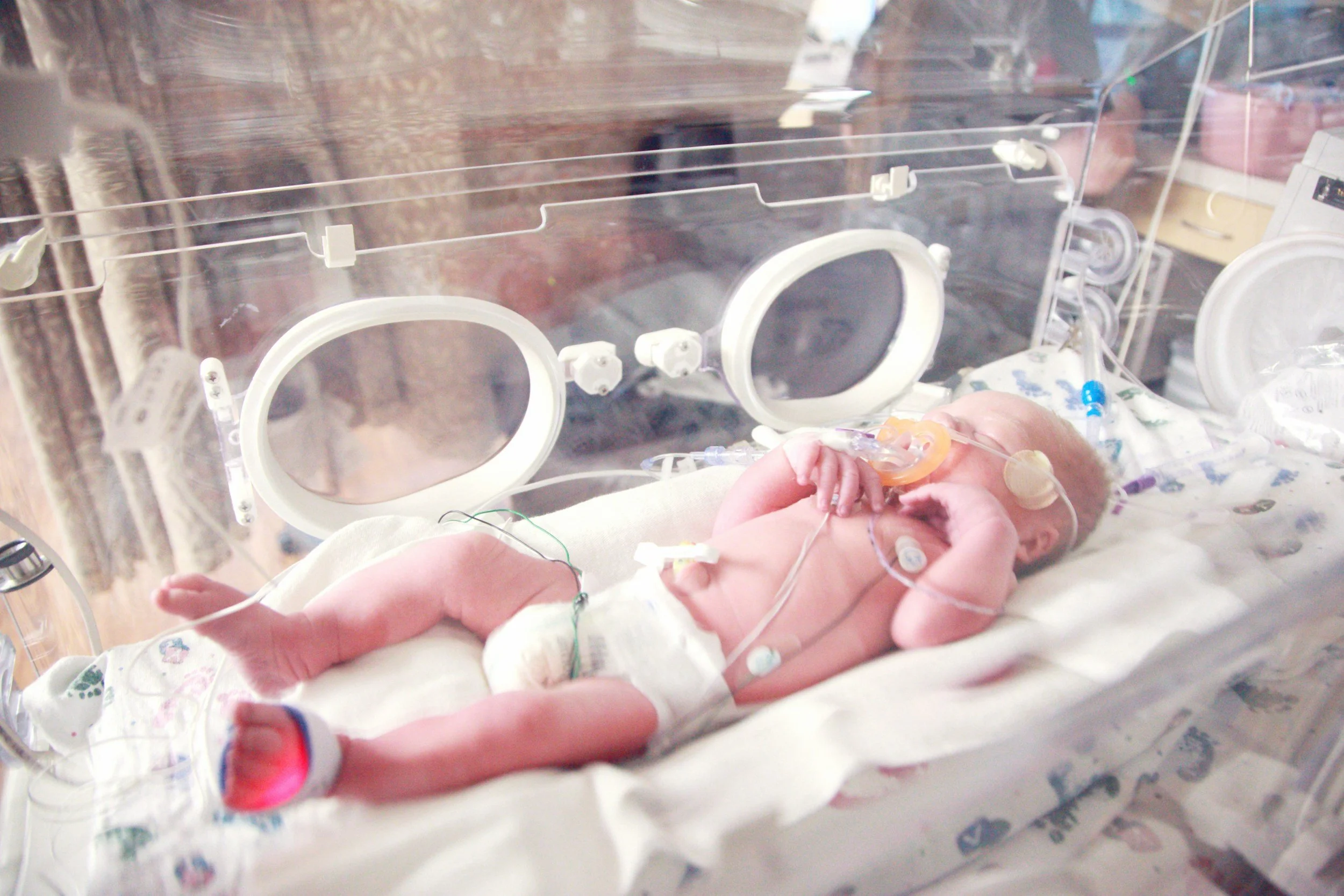
Babies in the NICU have lots of monitoring.
Give Yourself Permission to Feel All the Feelings
Perhaps one of the most important reminders from the NICU team is that a NICU admission can be a traumatic experience, even when your baby is receiving excellent care and making progress.
One NICU nurse described the experience beautifully: "Having your actual heart beating outside your body (in the form of a tiny human who you love more than anything), is profound, exciting, joyful, and terrifying all at the same time."
You may feel grateful, overwhelmed, angry, scared, hopeful, exhausted, or all of those things within the same hour. You may struggle with not being able to control what happens next or feel grief over the early days of parenthood looking different than you imagined.
Try not to judge yourself for any of those feelings.
The NICU team wants parents to know that they care deeply about you, your baby, and your family.
Ask questions, voice concerns, and lean on the people around you. Connecting with other families who have experienced a NICU stay can also be incredibly helpful. Sometimes, talking with someone who understands the unique experience can make you feel a little less alone.
And remember, support doesn't end when your baby leaves the hospital. Connecting with postpartum doulas, lactation consultants, mental health professionals, and other community providers can help your family navigate the transition home.
Finding Your Village
A NICU stay may not be the beginning to parenthood you imagined, but you don't have to navigate it alone.
Whether you need feeding support, help nourishing yourself, someone to listen, or a community of parents who understand, there are people and resources available to support your family.
At Vermont Birth Network, we believe families deserve compassionate, knowledgeable support throughout pregnancy, birth, and postpartum, including the unexpected parts of the journey.
Explore the Vermont Birth Network directory to connect with local professionals and resources who can support you and your family, wherever your journey takes you.
